
Updated October 2026
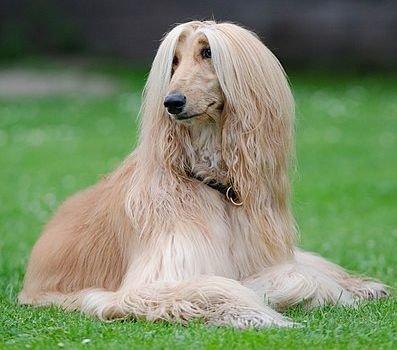
Few dogs turn heads on a Manhattan sidewalk quite like the Afghan Hound. With that flowing silky coat, high hipbones, and a gaze that seems fixed on some distant mountain, this ancient sighthound looks more like royalty than a hunting dog. Yet the Afghan was bred to chase game across the rugged terrain of Afghanistan, and that speed and independence haven’t gone anywhere.
The Afghan Hound is a dignified, affectionate, and independent sighthound that suits experienced owners who enjoy grooming and can provide safe space to run. They’re not ideal for first-time owners, homes with small pets, or anyone who wants a dog that comes the moment they’re called.
Afghan Hound Breed Overview
| Height | 25–27 inches |
| Weight | 50–60 pounds |
| Lifespan | 12–14 years |
| Colors | Nearly any color, including cream, red, black, blue, brindle, and domino |
| Breed group | Hound Group (AKC, recognized 1926) |
| Origin | Afghanistan |
| Suitable for | Experienced owners, adult households, homes with secure fenced space |
| Temperament | Dignified, aloof, independent, sweet, playful with family |
Independent is perhaps the best word for the Afghan Hound. They love their people, but they’re not looking for instructions, and they won’t follow you from room to room all day. That self-possession is part of their charm, but it also means training and recall take real patience.
Afghan Hound Characteristics
| Energy | 4/5 |
| Trainability | 2/5 |
| Health | 3/5 |
| Lifespan | 3/5 |
| Sociability | 2/5 |
Afghan Hound Puppies
Afghan Hound puppies are adorable balls of fluff, but their famous coat doesn’t fully grow in until adulthood. Because the breed is uncommon, you may need to join a waitlist. Choose a breeder who shares hip, thyroid, and eye clearances on both parents, invites you to meet the dam, and is honest about the grooming and training commitment.
The Afghan Hound Club of America lists breeder and rescue contacts. Sighthound rescue groups also place adult Afghans, often after foster homes have learned their quirks. Start socialization early with gentle exposure to people, sounds, and city sights, since the breed’s natural reserve can turn into shyness without it.
Temperament & Intelligence of the Afghan Hound 🧠
The American Kennel Club (AKC) describes the Afghan as dignified and aloof, with a streak of silliness and deep loyalty. At home, many Afghans are surprisingly goofy, bouncing through the apartment in sudden zoomies before draping themselves elegantly across the couch. With strangers, they tend to be polite but distant.
Afghans are intelligent, but they think for themselves. Psychologist Stanley Coren famously ranked the breed last for obedience in The Intelligence of Dogs, which says more about motivation than brainpower. An Afghan will happily learn if training feels worthwhile to them.
Are These Dogs Good for Families? 👪
Afghan Hounds can be gentle family dogs in homes with older, respectful children. They’re sensitive and don’t love rough play or chaotic households, so they’re usually not the best fit for families with toddlers. Teach kids not to tug on the coat or startle the dog while resting.
Does This Breed Get Along With Other Pets? 🐶 😽
Afghans often get along with other dogs, especially fellow sighthounds of a similar size. Small animals are another story. Their strong prey drive means cats, rabbits, and even small dogs can trigger a chase, so only consider an Afghan in a multi-pet home if they’re raised together and supervised.
Things to Know When Owning an Afghan Hound
An Afghan is a big commitment of time, space, and grooming. Here’s what to plan for.
Food & Diet Requirements 🦴
Despite their size, many adult Afghans eat only about 2–2.5 cups of high-quality dry food a day, split into two meals. Because they’re a deep-chested breed at risk of bloat, avoid one large meal and vigorous exercise right after eating. Keep treats under 10% of daily calories, and talk with your vet about a diet with healthy fats to support that coat.
Exercise 🐕
Afghan Hounds need about 60–90 minutes of exercise daily, including a chance to sprint. They can reach about 40 mph, so off-leash running should only happen in a fully fenced area. In NYC, a long leash walk plus visits to an enclosed dog run during quiet hours can work. Lure coursing is a fantastic sport for this breed.
Training 🎾
Training an Afghan takes creativity and a light touch. Use short, fun sessions with food rewards and plenty of variety, and avoid harsh corrections, which tend to make this sensitive breed shut down. Focus on leash manners, a solid “wait” at doors, and recall practice in safe spaces, but never assume recall will hold if they spot a squirrel.
Grooming ✂️
Grooming is the Afghan’s biggest demand. Plan on brushing and line-combing the long coat several times a week, working down to the skin to stop mats. Many owners bathe and blow-dry every one to two weeks, since a dirty coat tangles faster, or book a professional groomer who knows the breed. Trim nails every few weeks, brush teeth at least three times a week, and check those long ears weekly.
Health and Conditions 🏥
Afghan Hounds are generally healthy, but they have some breed-specific risks. A UK study published in Scientific Reports in 2024 found an average life expectancy of 11.1 years for the breed. Like other sighthounds, Afghans have low body fat and can be sensitive to anesthesia, so make sure your vet knows the breed before any procedure.
Minor Conditions
- Allergies and skin issues
- Cataracts
- Corneal dystrophy
Serious Conditions
- Hip dysplasia
- Hypothyroidism
- Bloat (gastric dilatation-volvulus)
- Chylothorax (fluid in the chest cavity)
- Laryngeal paralysis
- Cancer
Male vs. Female
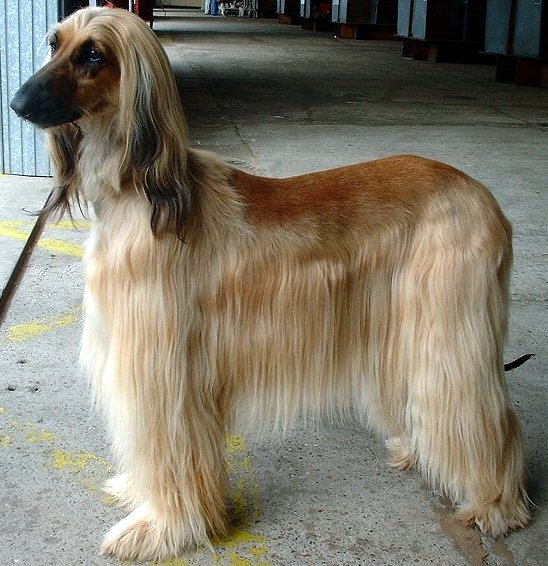
Male Afghan Hounds are usually taller and heavier, standing closer to 27 inches and 60 pounds, with a fuller coat. Females tend to be around 25 inches and 50 pounds. Some owners describe females as a bit more independent, but each Afghan’s personality depends far more on genetics, socialization, and training than on sex.
3 Little-Known Facts About the Afghan Hound
1. The World’s First Cloned Dog Was an Afghan Hound
In 2005, researchers at Seoul National University announced Snuppy, an Afghan Hound and the first dog ever cloned. A 2017 study in Scientific Reports noted that Snuppy lived about as long as his cell donor, close to the breed’s median lifespan.
2. Picasso Loved His Afghan
Pablo Picasso owned an Afghan Hound named Kabul. According to Stanley Coren, Picasso said his famous 1967 sculpture in Chicago’s Daley Plaza represented Kabul’s head.
3. Afghans Have Won Westminster Twice
Afghan Hounds won Best in Show at New York’s Westminster Kennel Club Dog Show in 1957 and again in 1983.
Frequently Asked Questions
Do Afghan Hounds Shed?
Afghan Hounds shed relatively little for such a long-coated dog, but the coat needs a lot of maintenance. Expect to brush several times a week and bathe regularly. Low shedding doesn’t mean low grooming with this breed.
Are Afghan Hounds Hypoallergenic?
Afghan Hounds are often called hypoallergenic because they shed lightly, but no breed is completely allergen-free. Dander and saliva still cause reactions. If you have allergies, spend time around adult Afghans before deciding.
Are Afghan Hounds Good Apartment Dogs in NYC?
Afghan Hounds can live in NYC apartments if their owners commit to 60–90 minutes of daily exercise and regular access to safe, fenced running space. They’re usually calm indoors once exercised, but their size, grooming needs, and prey drive make city life more work than with smaller breeds.
How Much Does an Afghan Hound Cost?
Afghan Hound puppies from reputable, health-testing breeders generally cost a few thousand dollars, and prices vary by region and pedigree. Budget separately for grooming, which can be one of the biggest ongoing costs. Rescue is a lower-cost option.
Final Thoughts
The Afghan Hound is an ancient mountain sighthound turned glamorous companion. They need daily sprint time in secure spaces, serious coat care, and patient, positive training. For an experienced owner who loves grooming and appreciates an independent, quietly affectionate dog, the Afghan is one of the most rewarding breeds you can share your home with.
Sources
- American Kennel Club: Afghan Hound
- VCA Animal Hospitals: Afghan Hound
- McMillan et al. (2024), Longevity of Companion Dog Breeds, Scientific Reports
- Kim et al. (2017), Birth of Clones of the World’s First Cloned Dog, Scientific Reports
- Modern Dog: Picasso’s Dogs
Featured Image Credit: Lilly M, Wikimedia Commons (CC BY-SA 3.0)